
New Assessments Help Families Talk About Aging in Place
Resilient Life Technologies has launched two online assessments—Aging in Place and Family Technology Readiness—to help families plan before a crisis forces it.
Resources
Practical answers on home safety, aging in place, and what modifications actually cost — written from four decades of building homes.
Resilient Life Technologies has launched two online assessments—Aging in Place and Family Technology Readiness—to help families plan before a crisis forces it.
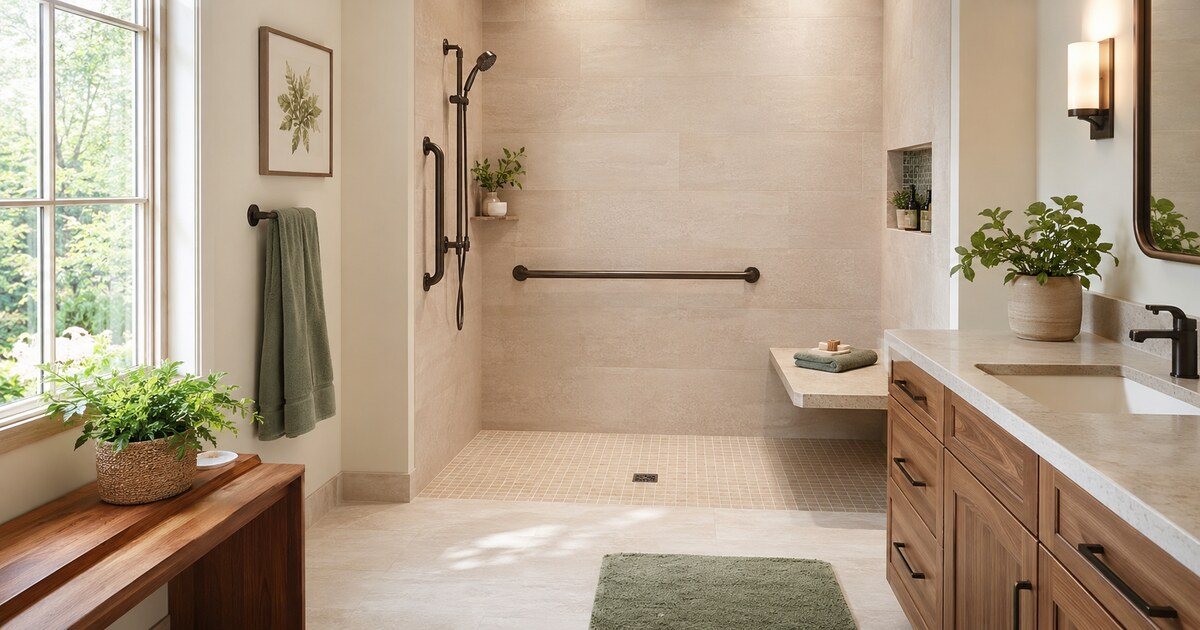
Grab bars, a curbless shower, a comfort-height toilet—what each costs, which order to do them in, and where the money is worth spending.
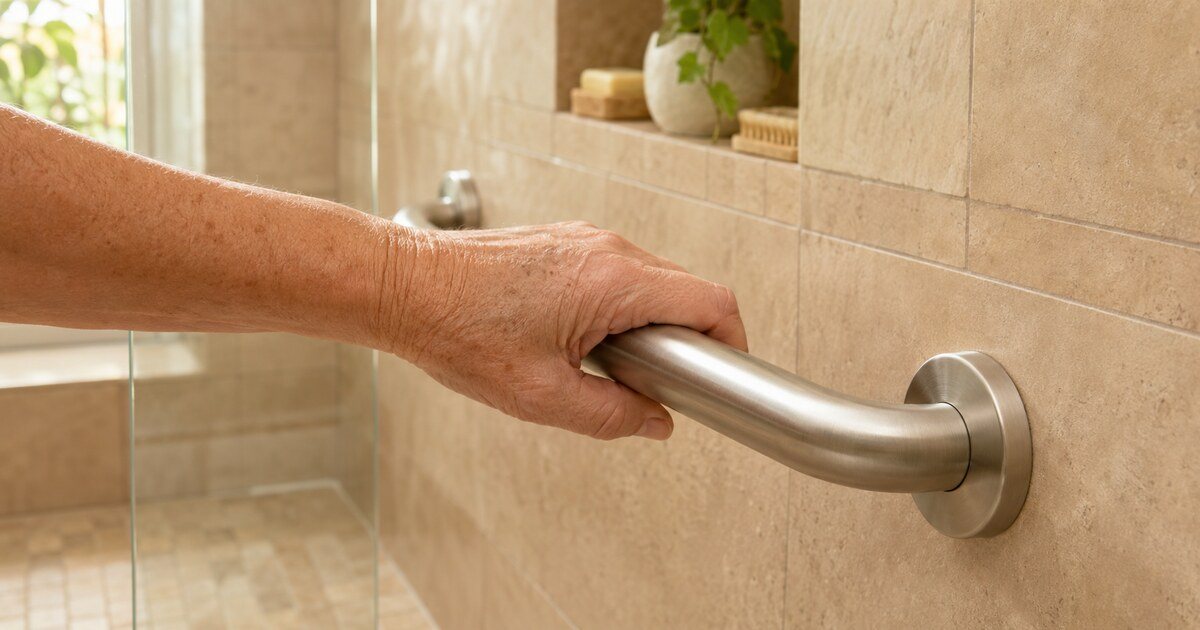
Grab bar height, diameter, weight rating, placement, and cost—plus why installation ranges from $150 to $2,000 depending on the wall.
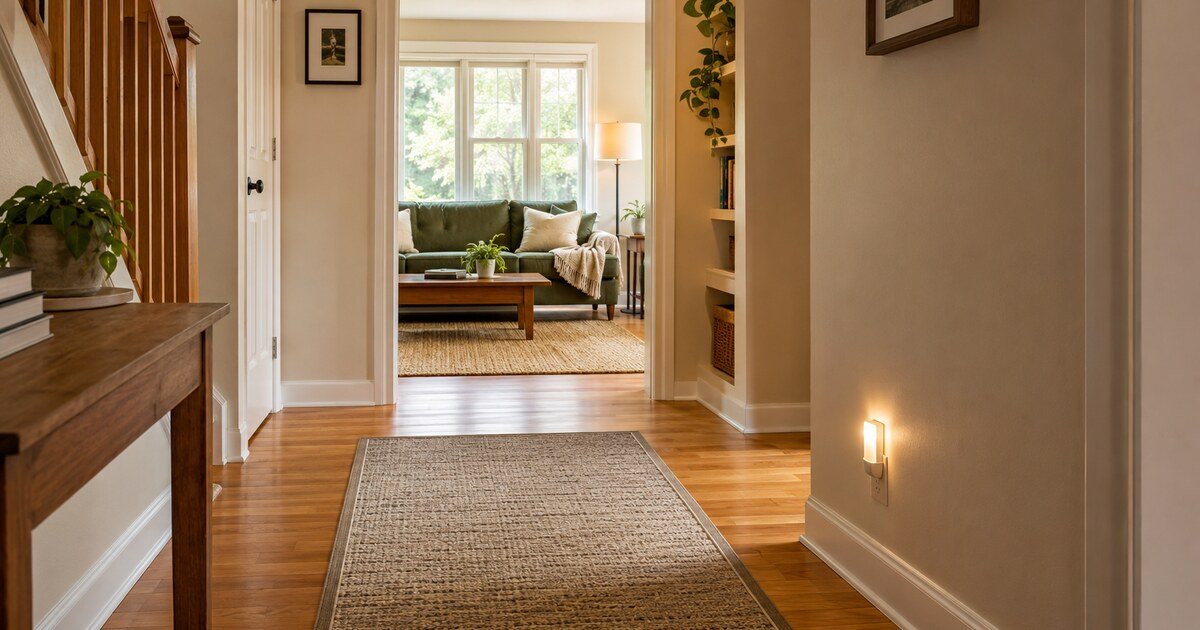
Nine home safety fixes that need a weekend, no contractor, and can fit a $200 budget. Start with rugs, cords, lighting, and clear walking paths.

Compare the real cost of aging-in-place modifications with moving, including structural work, transaction costs, and the changes people forget.
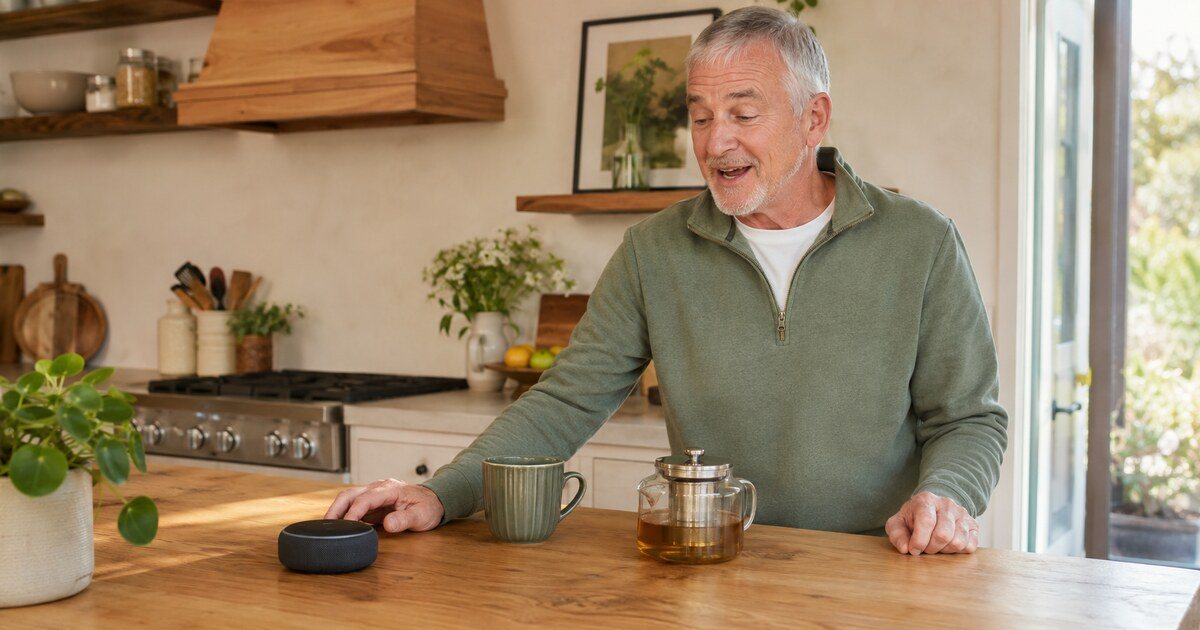
Which smart-home devices reduce risk for older adults, which add noise, and what to install first for aging in place.

$3,000–$8,000 for a stair lift, $20,000–$30,000 for an elevator retrofit, or a main-floor suite. Compare the real tradeoffs.

Most aging-in-place plans stall on the conversation, not the cost. Learn what works, what backfires, and how to start without questioning capability.
Grab bar blocking costs $50–$150 during framing and $400–$1,000 after drywall. See six aging-in-place upgrades that cost less when planned early.